Consumption, innovation and industry take centre stage, but striking long term political goals are hiding in plain sight.
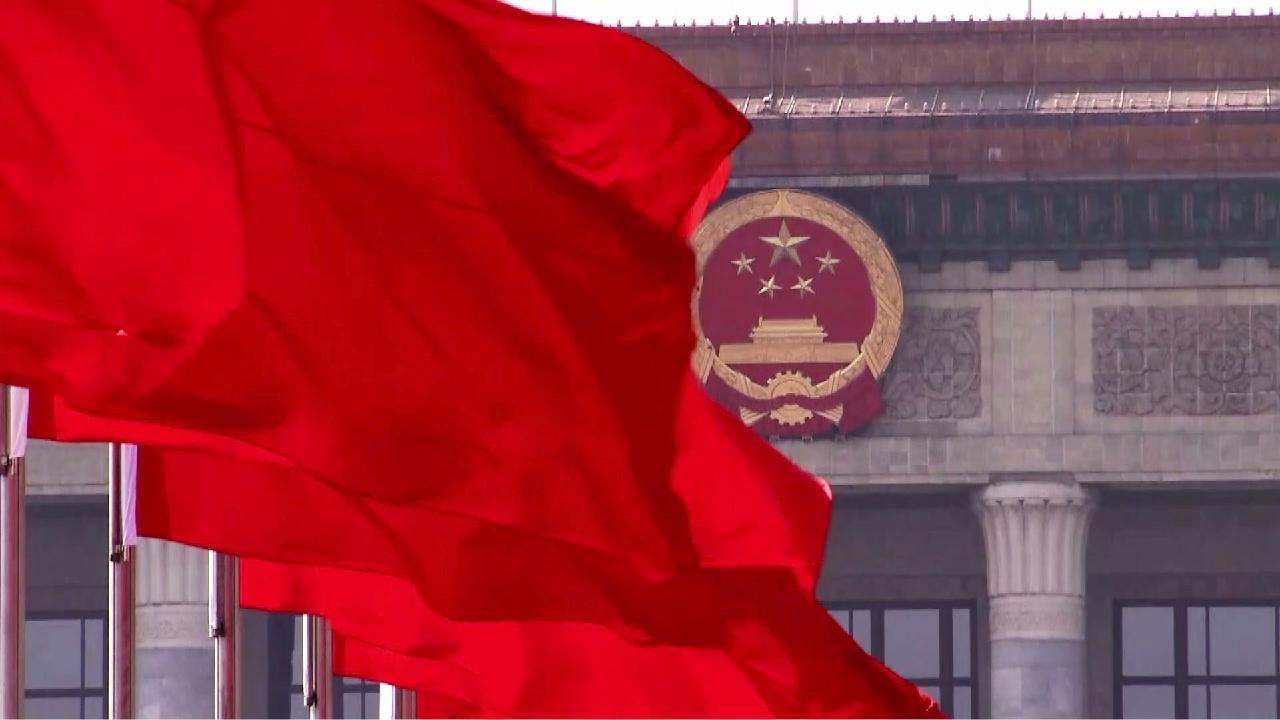
On Friday the 5th of March, the first session of the annual National Peoples Congress commenced in Beijing. The meeting of the worlds largest parliamentary body typically lasts between 10-14 days, and is mostly tasked with ratifying major changes in policy, electing government officials, and setting the political tone for the year, whether it be one of continuity or change. However this year is exceptional, as the NPC is tasked with passing the 14th Five Year Plan of the PRC, as well as only the second ever 15 year plan laying out a vision for Chinese life in 2035.
Track record tells us the path of Chinese development is about to change tack. Policy proposals will seek to ramp up, slow down or tighten control over various sectors of society. From the proposal released by the Fifth Plenum of the Central Committee meeting in November, and the first few meetings of the NPC this week, it seems policy is moving firmly away from a relentless focus on GDP percentages. The annual growth figure is still important, at 6.4%, but is both modest in lieu of previous estimates (as well as in the eyes of the IMF), and has not been extended past 2021. This is the first time expected growth rates have been restricted to one year since 1979.
Fundamentally this shows what has been known to many China hawks for a long time; quality of growth is taking precedence over the quantity in the eyes of the Chinese political elite. Innovation has been key to these concerns, with the US trade war exposing China’s reliance on silicon valley software (semi conductors). Domestic consumption has also stagnated at around 40% in recent years, as per capita incomes also plateau. Whilst consumption and technological independence have been on the agenda in Zhongnanhai for over a decade, the current hostile international environment has created a sense of urgency that emanates from the policy proposals released so far.
What does this mean for Britain? Generally commentators are split on what this new direction means for Chinese interaction with the rest of the world. It obviously depends on where you are sitting, but the argument is usually over whether a rush for self sufficiency will see China turning inward economically, or the rush for a consumption fuelled economy will lead to more opportunities for the British service centred economy. However, a relentless focus on economic trends on both sides of the debate has obscured the elephant in the room; rising political tensions between China and the US dominated western world.
This anxiety has been exacerbated by a politicisation of the trade war, challenging the neutral hand of the market. Whilst even the most ardent neoliberal would concede this neutrality has never really existed in its ideal form, it has proved a useful illusion for enforcing international trading standards and regulations, in the face of political instability and bilateral disagreements. These have in turn, helped maintain a degree of peace and cooperation in big power relations since the collapse of the Soviet Union. The 2019 arrest of Huawei’s CFO Meng Wanzhou has seen the illusion shattered, as trade and national security become evermore inseparable in US China policy. A recent Gallup poll lays bare this creeping McCarthyism, with US citizens views of China at an all time low of 30%.
For Britain I thus think optimists and pessimists have got the wrong end of the stick. Viewing the current five year plan through the tunnel vision of a purely economic lens will fail to account for the shifting political sands that are are allowing irrational economic activity to masquerade in the name of national security. It is thus crucial to view the economic opportunities that this new Chinese direction have for the UK, through the prism of the political and historical tensions that underpin it. Self sufficiency in technology and food, coupled with a determined stance on crushing dissent in Hong Kong, cast a shadow over hopes of unbridled economic international cooperation, especially when Britain has (literally) thrown its chips in with the US. The days where the prime minister could affirm our commitment to the US on one day and strike a lucrative trade deal with China on the next seem numbered. The political pressures and conditions of economic cooperation make us seem very wobbly indeed, on the fence we’ve been straddling.
 Britain and China